
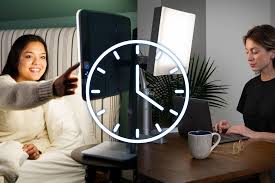
Category: Biological Rhythms and Light Exposure
The most powerful “zeitgeber”—or time-giver—in the human environment is light. Our eyes contain specialized cells that don’t just help us see, but specifically track the movement of the sun to tell the brain what time it is. In the modern world, where we spend 90% of our time indoors under static artificial lighting, our internal clocks can become “drifted,” leading to daytime fatigue and evening restlessness. Restoring this balance begins with a concept known as light hygiene.
To align your circadian rhythm, the most effective habit is seeking out direct, bright light within the first 30 minutes of waking. This triggers a surge in cortisol (your “alertness” hormone) and sets a countdown timer for melatonin production later that night. Conversely, as the sun goes down, your body expects a transition into darkness. By dimming overhead lights and utilizing amber-toned lamps in the evening, you signal to your pineal gland that the day is ending. This environmental shift allows for a natural transition into deep recovery without the interference of blue-light-emitting devices that trick the brain into thinking it is still noon.